
 English
 Español
 Pусский
 中文
中文

مصدر الطاقة للطائرات بدون طيار المربوطة
Power Supply for Tethered Drones Tethered drones are unmanned aerial vehicles (UAVs) physically connected to a ground-based power source via a cable, enabling extended flight durations compared to battery-powered drones. The power supply system is a critical component, ensuring stable and continuous operation for applications such as surveillance, communication relays, and aerial monitoring. Power Requirements Tethered drones typically require a direct current (DC) power supply, often ranging from 48V to 400V, depending on the drone’s size, motor efficiency, and payload capacity. High-voltage systems reduce current flow, minimizing energy loss and cable weight. The power source must deliver sufficient wattage to sustain flight while accounting for inefficiencies in transmission. Ground-Based Power Supply Most tethered drones rely on ground-based power systems, which can include: - AC-to-DC Converters: Convert grid or generator AC power to the required DC voltage. - Battery Backup Systems: Provide redundancy in case of primary power failure. - Power Management Units (PMUs): Regulate voltage, monitor power consumption, and prevent overloads. Tether Cable Design The tether cable must balance conductivity, weight, and durability. Key considerations include: - Conductor Material: Copper or aluminum wires for efficient power transmission. - Insulation: Lightweight, flexible materials resistant to abrasion and environmental factors. - Length and Thickness: Longer cables require higher voltage to compensate for resistance losses. Challenges and Solutions 1. Power Loss: Resistance in long cables can cause voltage drops. Using higher voltages and efficient conductors mitigates this. 2. Heat Dissipation: Continuous power flow generates heat. Proper cable insulation and cooling mechanisms prevent overheating. 3. Mobility Constraints: Heavy or stiff cables limit drone maneuverability. Lightweight, high-strength materials improve flexibility. 4. Environmental Factors: Exposure to wind, moisture, and UV radiation demands robust cable construction. Applications and Benefits Tethered drones with continuous power are ideal for: - Persistent Surveillance: Military and security operations benefit from 24/7 aerial monitoring. - Telecommunications: Acting as temporary communication towers in disaster recovery. - Industrial Inspections: Long-duration monitoring of infrastructure like pipelines and power lines. Future Developments Advancements in high-efficiency power converters, lightweight conductive materials, and intelligent power management systems will further enhance tethered drone performance. Wireless power transmission and hybrid (battery + tether) systems are also being explored for greater flexibility. In summary, the power supply for tethered drones is a sophisticated system requiring careful design to ensure reliability, efficiency, and operational longevity. As technology evolves, these systems will enable even broader applications for tethered UAVs.
نتاج
تصنيف:
-
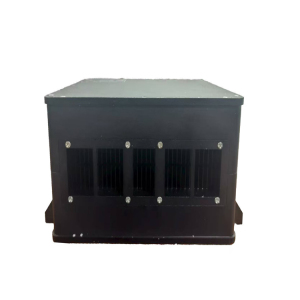
مربوطة إمدادات الطاقة بدون طيار
تصنيفها: مربوطة إمدادات الطاقة بدون طيارالمشاهدات: 59عدد:وقت الإصدار: 2025-11-06 17:43:09مربوطة إمدادات الطاقة بدون طيار الطاقة: 12 كيلو واط 380-850 فولت تيار مستمر نطاق جهد الخرج: اختياري 50 فولت/60 فولت/75 فولت القوة المحمولة جوا 1. يعمل مصدر الطاقة الموجود على متن الطائرة على تقليل التيار المباشر عالي الجهد لصندوق الإرساء الأرضي إلى تيار مباشر منخفض الجهد ومخرج ثابت مناسب لإمدادات الطاقة للمركبات الجوية بدون طيار (مثل 50V لـ 12S)، مما يوفر مصدر طاقة مستقر طويل المدى للمركبات الجوية بدون طيار. 2. يحتوي مصدر الطاقة الموجود على متن الطائرة على آليات أمان متعددة مثل حماية الجهد الزائد والجهد المنخفض، وحماية الحمل الزائد، وحماية درجة الحرارة الزائدة لضمان سلامة...
أخبار
تصنيف:
لا توجد نتائج بحث!
حالة
تصنيف:
لا توجد نتائج بحث!
فيديو
تصنيف:
لا توجد نتائج بحث!
تحميل
تصنيف:
لا توجد نتائج بحث!
تجنيد
تصنيف:
لا توجد نتائج بحث!
المنتجات الموصى بها
-
NEWS
مربوطة إمدادات الطاقة بدون طيار
مزيد من المعلومات



 واتس اب
 هاتف
هاتف